Shopping in Morocco: The Art of the Deal
You enter the souk unprepared.
Shopping in Morocco isn’t transactional. It’s theater. Performance art where both parties know their roles. You’re about to learn yours.
The medinas of Marrakech, Fez, and Essaouira spread before you. Labyrinthine alleys filled with treasure. Or junk. The distinction becomes clear through touch. Through examination. Through negotiation, revealing quality.
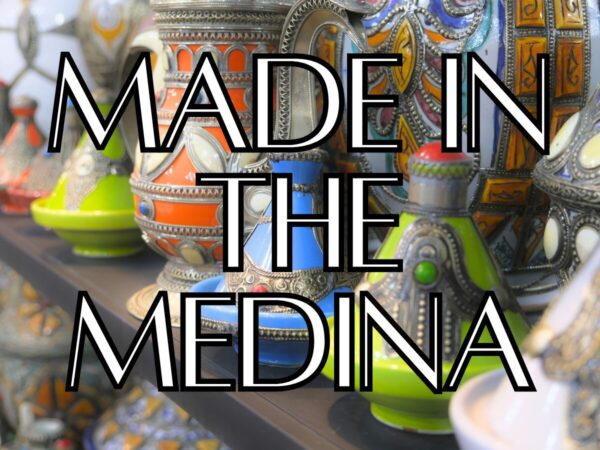
Handmade rugs hanging ceiling-high. Intricate ceramics stacked precariously. Dazzling lamps casting patterns on passage walls. Intricately designed textiles. Leather goods. Argan oil. Ornate tea sets. Decorative tagines. Mosaic works. The inventory is endless. The quality variable. Your discernment is essential.
The shopkeeper sees you. Smiles. Begins.
“My friend, very good quality, special price for you…”
The first price arrives. Cheerful. Outrageous. More wishful thinking than actual expectation. You counter. The performance begins.
The Four Steps of Moroccan Negotiating:
First Price. That’s what you’re given with a smile. Write it down mentally. Then forget it. It’s the theater’s opening act. Not the finale.
First Offer. You need to know your target price. Visit Centre Artisanal first—the government-run, no-haggle plaza. Fixed prices. Consistent quality. That’s your baseline. Your first offer should land below those prices. Sometimes well below.
The Yelling Phase. The shopkeeper becomes outraged. Theatrical dismay at your insulting offer. He toutes the quality. His family’s reputation. The impossibility of profit at such prices. He counteroffers. You counter his counter. The dance continues. Mint tea appears—a gesture of goodwill during negotiations. Also strategy to keep you longer. The joke: every glass of tea adds $10 to the purchase price. You sip anyway.
Make or Break. The asking price decreases. Your offering price increases—but never past your limit. This is it. If the shopkeeper agrees, you MUST buy at the price you offered. Walking away now? Offensive. Dishonest. You’ve entered a binding verbal contract through a negotiation ritual. Be certain you want the item at the price you’re naming.
The transaction completes. Or doesn’t. You leave with a purchase. Or empty-handed. Both outcomes are acceptable. The negotiation itself was the point.
Throughout your SaharaTrek tour, you’ll visit artisan workshops. Not shopping. Education. Watch skilled craftsmen creating what the souks sell. Pottery. Weaving. Metalwork. Woodworking. The process revealing which vendors deserve higher prices. Which don’t.
Purchase directly from artisans when possible. One-of-a-kind pieces. Fair prices. No haggling needed. The respect for craft bypasses performance.
The regional specialties reveal themselves gradually. Thuya wood in Essaouira—aromatic, beautiful, locally sourced. Hand-tanned leather in Fez—the tanneries’ end product after days of labor. Hand-painted ceramics in Safi. Carpets in the Middle Atlas region. Each area offers what it does best. What it’s done for generations.
The fashion catches your eye eventually. Berber and Tuareg jewelry—intricate silverwork, semi-precious stones, designs carrying cultural meaning. Vibrant kaftans, jalabiyas, djellabas—traditional garments with modern twists. The contemporary meeting centuries-old traditions. Morocco’s specialty.
You buy things. Or don’t. The shopping itself—the negotiation, the examination, the cultural exchange disguised as commerce—becomes the experience. The souvenirs are secondary to the process of acquiring them.
Your bags fill. Your wallet empties. Your understanding of Moroccan commerce deepens. Not just buying. Participating in a ritual older than the medinas themselves. Where price is the starting point for conversation. Where negotiation is respect. Where both parties perform their roles, knowing the script but improvising the details.
You leave Morocco with purchases. And stories about acquiring them. The latter matters more.
The souks stay behind. Still selling. Still negotiating. Still performing for the next tourists who think they’re just shopping.
They’ll learn. Everyone does.